How might virtual reality technology be used to address unconscious biases and promote diversity and inclusivity in empathy training programs, and what positive outcomes could this lead to for individuals and society as a whole?
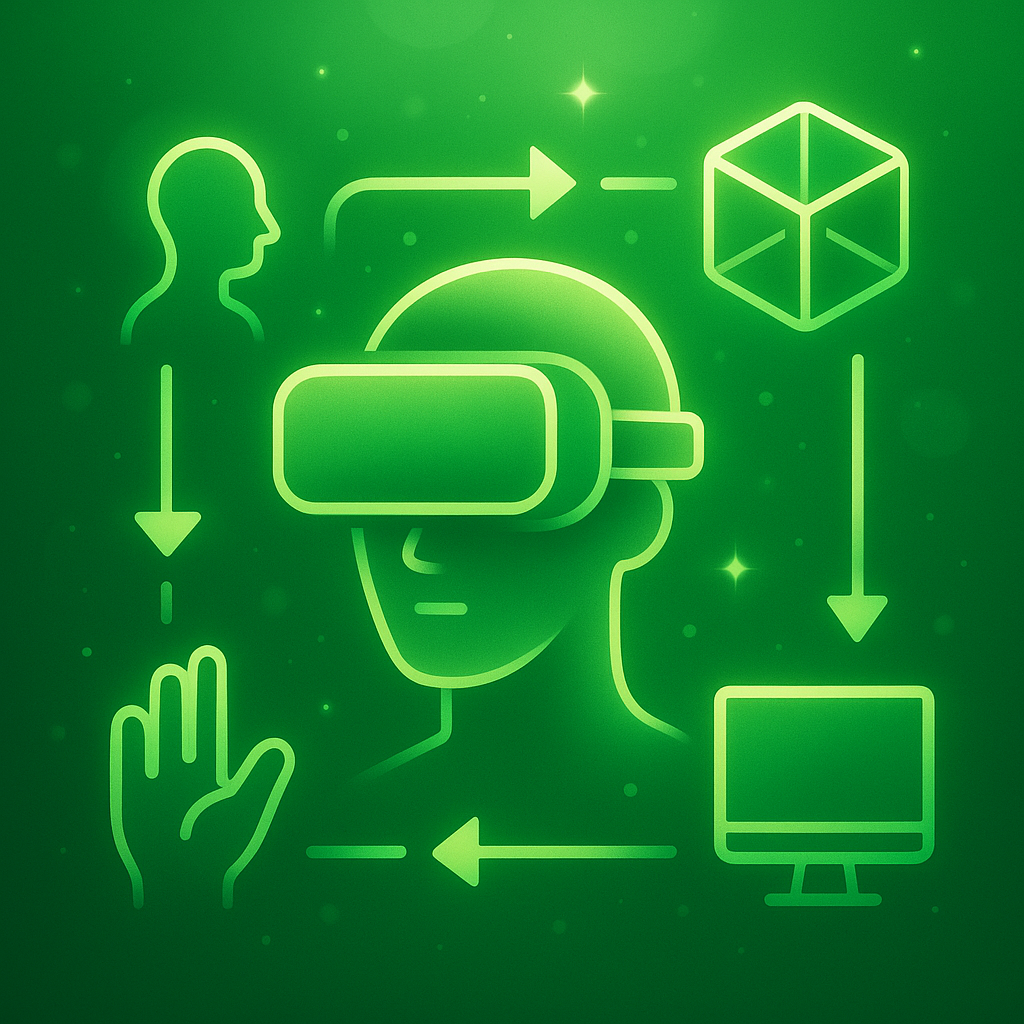
Virtual reality technology can be used in empathy training programs to simulate real-life scenarios that challenge unconscious biases and promote diversity and inclusivity. By immersing individuals in experiences from different perspectives, VR can help them understand and empathize with others who are different from themselves. This can lead to increased awareness, sensitivity, and understanding of diverse backgrounds, ultimately fostering a more inclusive and accepting society. Positive outcomes may include reduced discrimination, increased empathy, and improved relationships between individuals from different backgrounds, leading to a more harmonious and equitable society overall.
Further Information
Related Questions
Related
In what ways can businesses ensure they are effectively utilizing customer feedback and data analytics to not only meet customer expectations, but also drive innovation and maintain a competitive edge in today's rapidly evolving market landscape?
Related
How can businesses effectively utilize customer data and insights to tailor personalized customer engagement strategies that not only meet customer needs but also exceed their expectations?
Related
In what ways can companies leverage social media analytics to identify trends and opportunities for enhancing their Customer Experience strategies, and how can they effectively translate these insights into actionable plans for continuous improvement?