How can virtual reality technology be integrated into traditional classroom settings to enhance student engagement and improve critical thinking skills across various subject areas?
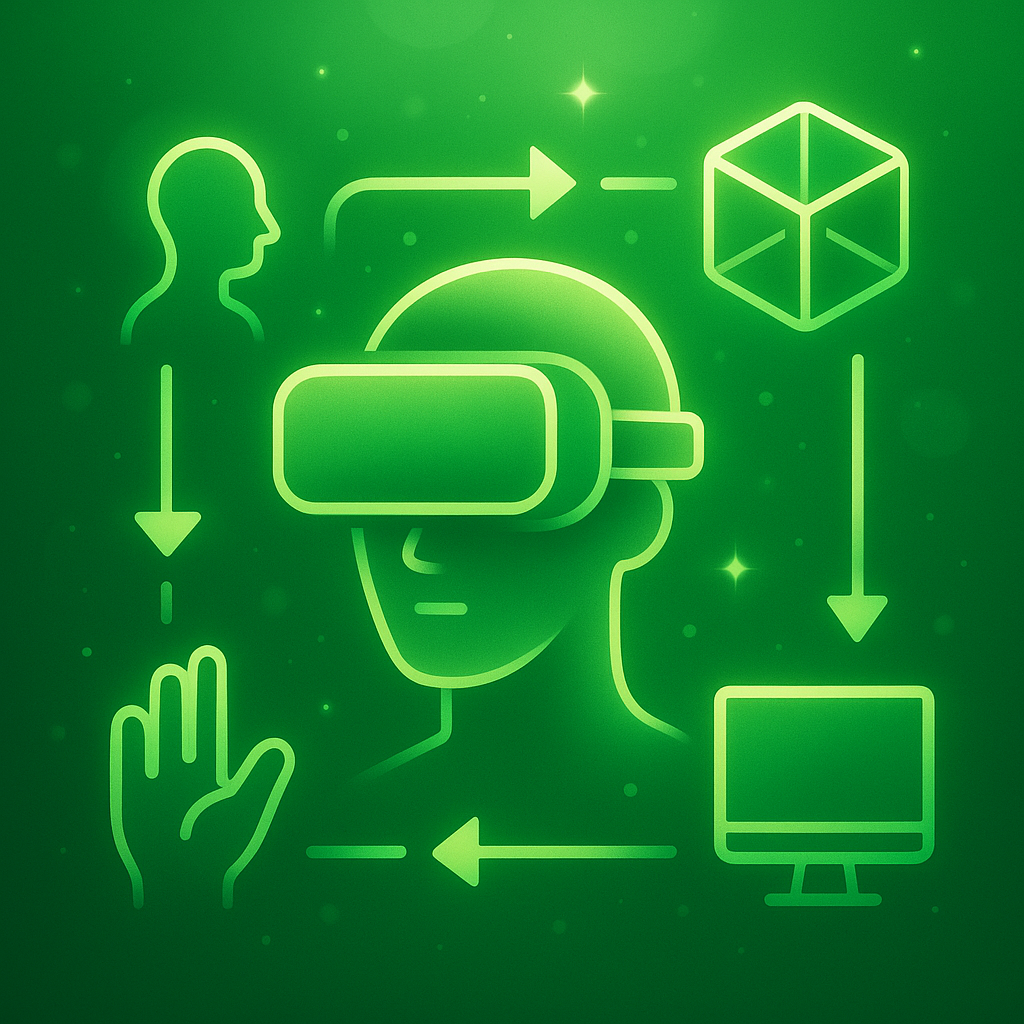
Virtual reality technology can be integrated into traditional classroom settings by incorporating VR simulations and experiences that allow students to actively engage with the material. This can help make abstract concepts more tangible and relatable, leading to increased student engagement. Additionally, VR can provide opportunities for students to explore real-world applications of the subject matter, fostering critical thinking skills. By using VR in various subject areas, students can develop a deeper understanding of complex topics and enhance their problem-solving abilities through hands-on, immersive experiences.
Further Information
Related Questions
Related
In what ways can organizations ensure that employee training and development programs not only enhance employee engagement levels and customer satisfaction, but also lead to long-term business success and growth?
Related
How can businesses effectively leverage technology to streamline the process of collecting and analyzing customer feedback, and what impact can this have on overall customer satisfaction and efficiency levels?
Related
How can companies leverage technology and data analytics to empower their CX ambassadors to proactively anticipate customer needs and preferences, in order to deliver personalized experiences that exceed customer expectations and drive long-term loyalty?