How can educators effectively implement and measure the impact of cultural diversity in education curriculums to ensure students are truly prepared for the complexities of our globalized society?
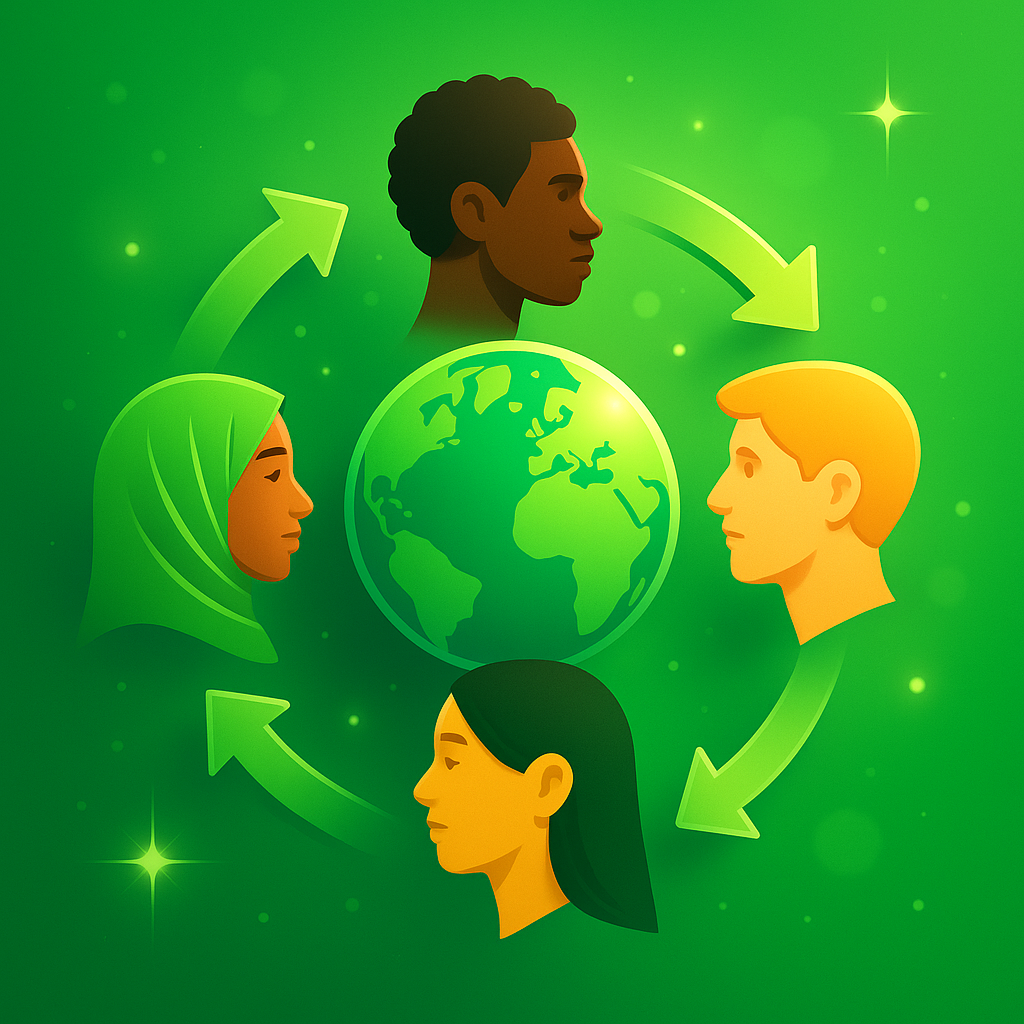
Educators can effectively implement cultural diversity in education curriculums by incorporating diverse perspectives, histories, and experiences into lesson plans and classroom discussions. They can also provide opportunities for students to engage with different cultures through projects, presentations, and guest speakers. To measure the impact of cultural diversity, educators can use assessments that evaluate students' understanding of diverse perspectives, their ability to communicate across cultures, and their appreciation for global interconnectedness. Additionally, feedback from students, parents, and the community can help educators gauge the effectiveness of their efforts in preparing students for a globalized society.
Further Information
Related Questions
Related
"How can businesses leverage customer feedback to not only improve their online reputation, but also drive innovation and growth within their industry?"
Related
How can businesses effectively leverage customer feedback from various channels to optimize their customer experience strategy and drive long-term loyalty?
Related
How can leaders effectively address cultural differences and language barriers within decentralized teams to ensure that all team members feel valued and included?